Talent and Attitude. Learned and Innate.
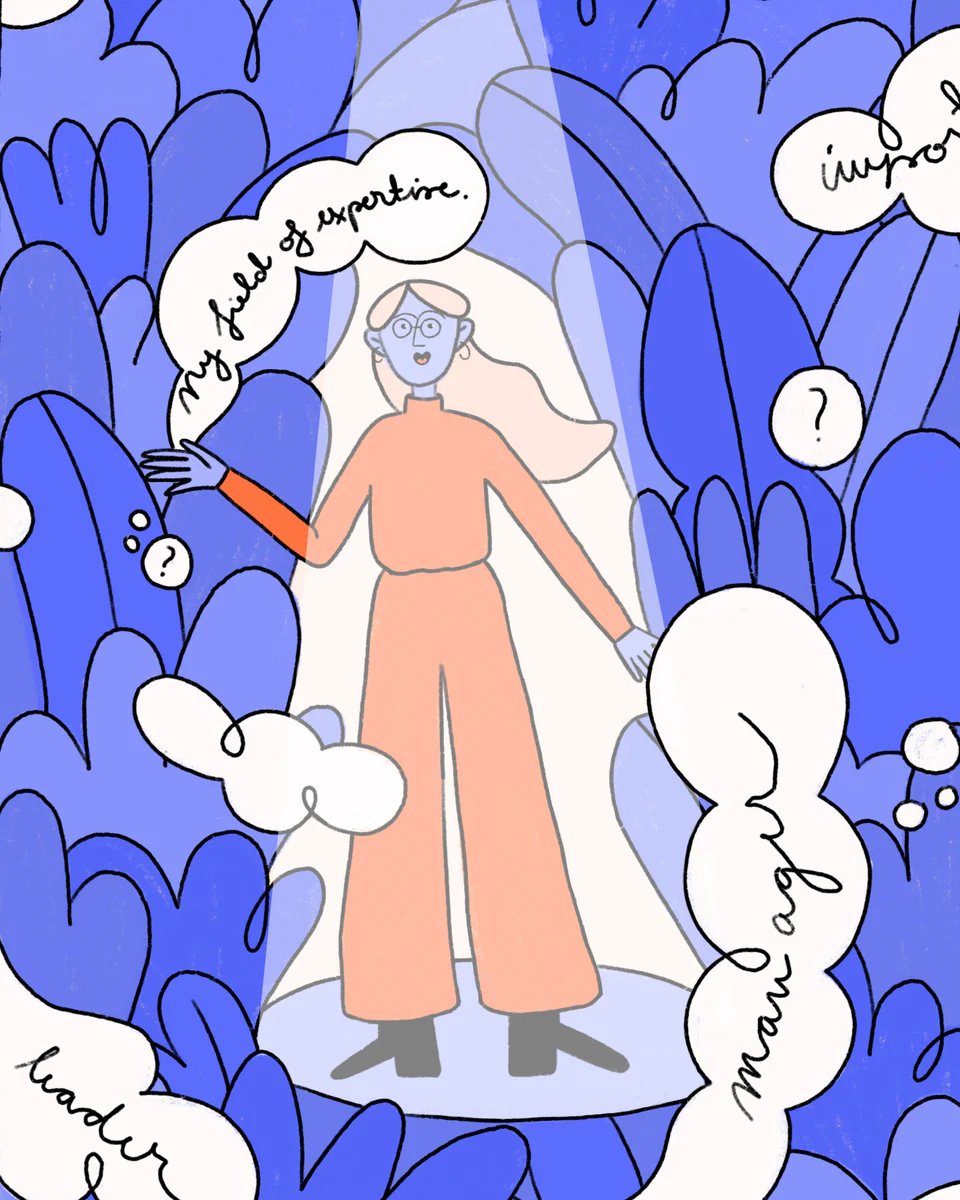
Which would you prefer or admire in your partner, kids, or friends—talent or effort? Is it different in a work environment versus a private life?
At work, I believe we should not praise innate skills. I mean, they have their value, but let me explain why they shouldn't be the focus.
If you're leading a basketball team, you'd be happy to have the tallest player. You might even pay extra to get them. But would you congratulate them after every game by saying, "It was great how tall you were in this game!"? Sounds ridiculous, right?
Now, let's switch to a software company. Imagine "ownership" is one of the key behaviours you evaluate as a leader. Naturally, you'd want an employee with a high level of ownership—someone who treats the company as if it were their own. That's valuable. But would you praise them every year for it? Would you tell them annually that they outperformed last year similarly?
What about trickier skills like communication? Would you pay someone who is naturally extroverted, charismatic, and effortlessly connects with people more? Probably. Would you give them a more significant yearly raise to continue to be that way? That's at least questionable.
I haven't fully decided if the same logic applies to parenting, but at home, we follow a specific approach:
- "That's great! Was it hard?"
- "Which part was the hardest?"
- "What went well?"
- "What could be better next time?"
We try (though it's tough because the love for your children is infinite, I know) not to praise things that come quickly, not to celebrate just the win, and not to congratulate them just because they drew something pretty (our kids are 3, 5, and 7). Instead, we ask first, then celebrate the improvement, the effort, and the learning process.
At work, I believe it's also unfair—if we genuinely care about our colleagues—to praise them for something they are naturally good at without acknowledging effort. In fact, we should point out when someone hasn't made any effort to improve, even if further development isn't necessary. The skill remains valuable, but the effort should be recognized separately.
And, just like we do after every ice hockey practice, ask:
- "Did you enjoy it?"
- "What were the best parts?"
- "What went great?"
- "Where do you need to improve?"
- "Which skills do you want to develop further?"
And most importantly—praise the development!
Did you know?
- NBA players over 7 feet tall are more likely to make it to the league simply due to their height advantage, yet many struggle without strong fundamental skills.
https://www.forbes.com/sites/dandiamond/2013/06/27/nba-draft-is-being-7-feet-tall-the-fastest-way-to-get-rich-in-america/
- A study found that employees who receive praise for effort rather than talent tend to take on more challenges and persist longer in complex tasks.
https://selahcounsellingservices.com/the-power-of-praise-effort-based-vs-intelligence-based-their-effects-on-performance/
- The Pygmalion Effect suggests how leaders and teachers giving feedback can shape someone's future performance. If you believe in their potential for growth, they are more likely to improve.
https://kb.ndsu.edu/it/page.php?id=131858