Your Two Selves
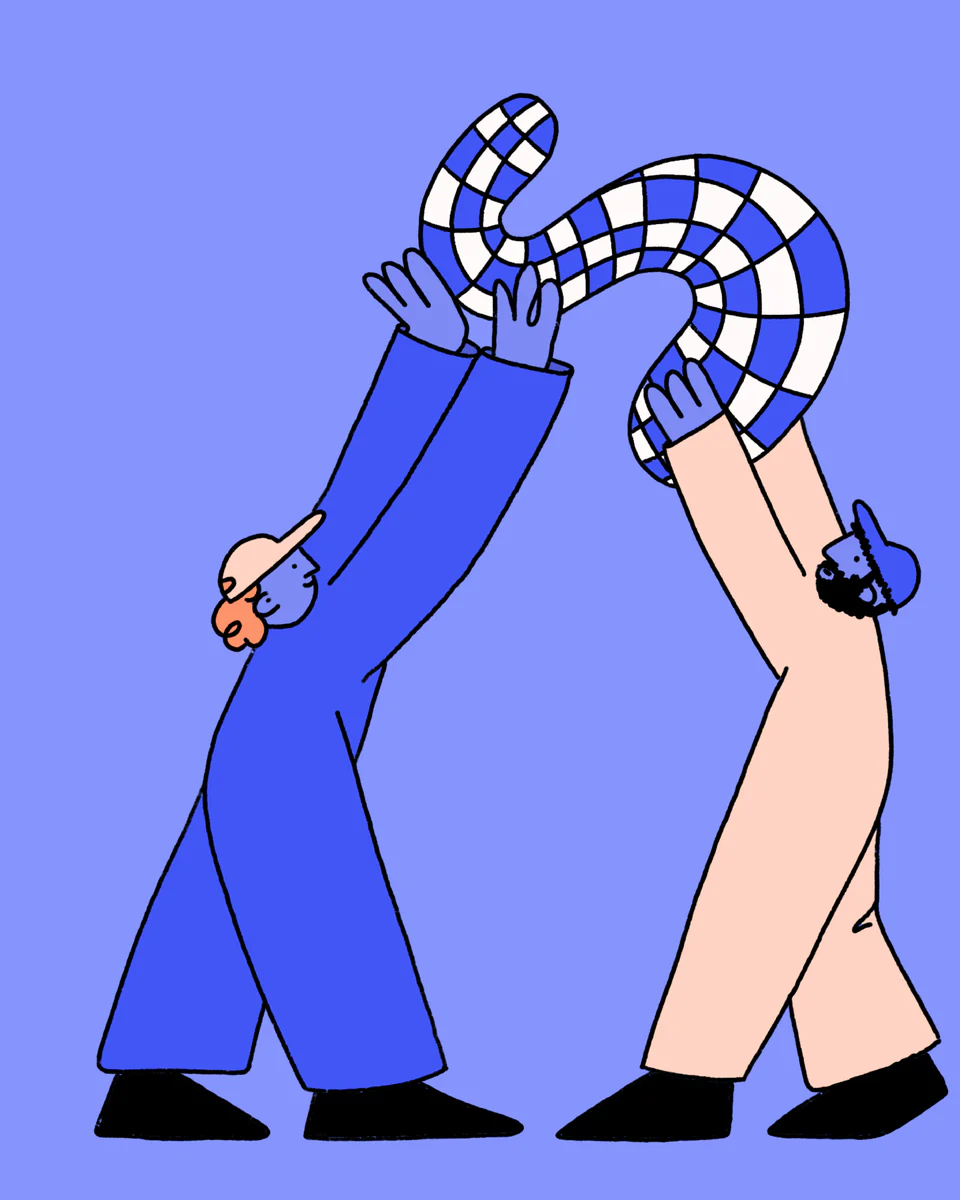
As a leader, you need to be well-versed in all the management tools available. There's a saying, likely attributed to Socrates: "It is a shame for a man to grow old without seeing the beauty and strength of which his body is capable." Similarly, it's a disappointment for a leader not to enhance their knowledge in management and psychology.
However, a leader who is well-prepared with the available literature on change management should remember that this is only one side of the coin. It would be naive to think that life will unfold as it does in books, or that colleagues will react exactly as described in case studies.
I believe in diversity and individualized treatment—this is the other side of the coin.
You must be prepared; you must understand the general methods and communicate them effectively, but don’t be surprised if your goals don’t progress smoothly or if your ideas for change aren’t readily embraced.
You need your second self—the leader who isn’t just a boss but a peer. A leader who is accessible in the corridors or via chat, who can discuss personal struggles, someone who is one of us. Because change happens behind the scenes, in casual conversations, in elevators, in private chats and in phone calls. It unfolds after 5 pm, not at your desk, but perhaps in a pub or on the bus during your commute.
This second self must improvise and navigate the complex, interconnected networks of your colleagues. You need to convincingly engage the right people in the right way, individually. And if you are honest and truly believe in your plan for change, you don’t even need to act during these interactions. People can detect insincerity, even if they can’t pinpoint it consciously.
Thus, for effective change, you need both your managerial self and your people-oriented self. Neither can succeed without the other.