There is light in the Change Jungle · Part 1: Psychology
Navigating the Emotional Curve of Change in Organizations
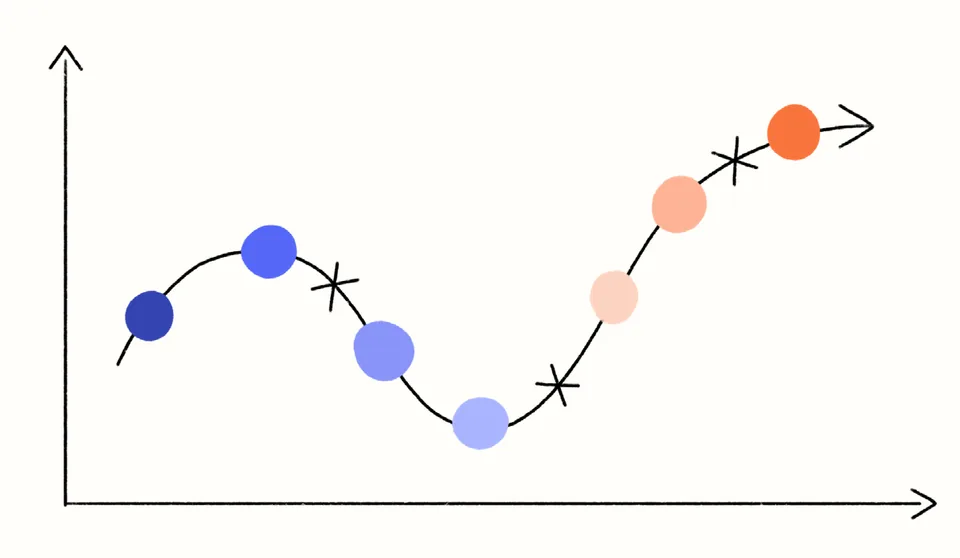
The process of organizational change is a complex journey, marked not just by the steps taken to implement new strategies or structures, but also by the emotional journey undertaken by those involved. Unlike the linear progression through stages as previously outlined, the reality of emotional responses to change is far more nuanced, varying widely among individuals. This chapter revisits the stages of the Emotional Curve of Change, incorporating a more dynamic understanding that acknowledges the individual variability in experiencing and coping with change.
The Emotional Curve of Change model, although not attributed to a single creator or moment in history, has its roots deeply embedded in the study of human responses to change and loss. Its conceptual foundation is often linked to the pioneering work of Elisabeth Kübler-Ross and her Five Stages of Grief model introduced in the 1960s. Kübler-Ross’s model was initially developed to understand the emotional journey of terminally ill patients, but it has since been extrapolated to various scenarios involving loss and change, including organizational change. The Emotional Curve of Change expands on this framework, adapting it to the context of workplace transformations. It reflects an understanding that, much like personal loss, organizational change triggers a complex emotional journey. Over the years, scholars and practitioners in psychology, organizational behavior, and change management have contributed to refining the model, making it a valuable tool for navigating the human side of organizational transformations.

The Emotional Curve of Change Revisited
Shock
The initial reaction to change is often one of shock, where individuals may feel paralyzed and unable to respond. This stage, brief yet impactful, can significantly hinder productivity as the sudden drop in performance reflects the organization’s collective pause. Shock is exacerbated by the lack of adequate preparation or communication, leading to heightened feelings of apprehension.
Denial
Following the shock, denial sets in as individuals cling to known realities, hoping to maintain the status quo. This resistance stems from a fear of the new and unknown, comfort in familiar routines, or concerns over personal loss. Denial is a defense mechanism against the perceived threats posed by change.
Frustration
As the reality of change becomes undeniable, frustration emerges. This stage is marked by a visible decline in engagement with routine work, as individuals grapple with feelings of anger and disillusionment. Blame may be directed towards leadership or peers, straining team dynamics and further degrading performance.
Depression
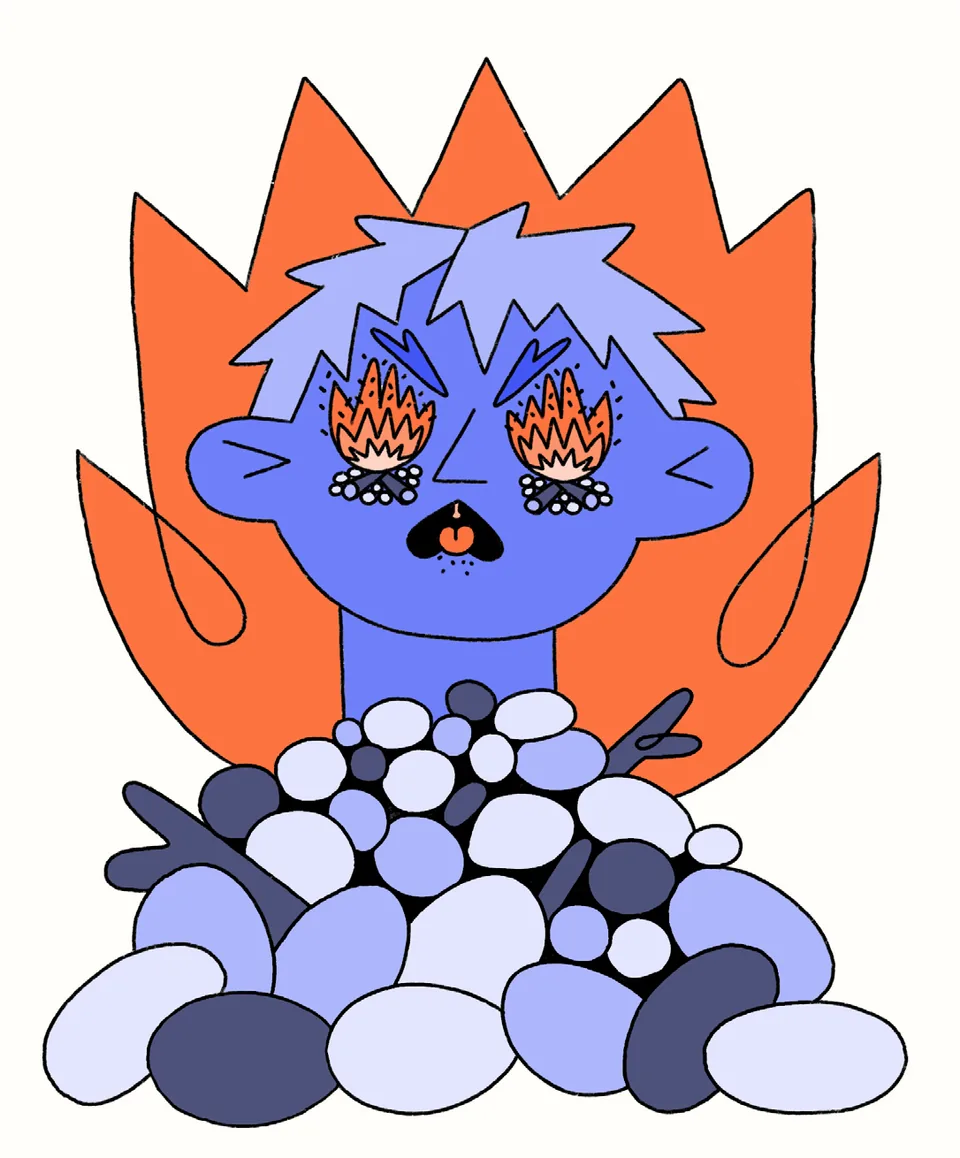
Acknowledging the losses brought about by change can plunge individuals into depression. Characterized by withdrawal and disengagement, this stage sees the lowest point in morale, with some questioning their future within the organization.
Experiment
The experiment stage signifies a pivotal shift in mindset. Individuals begin to explore the implications of the change, tentatively testing new ways of working and slowly adopting a more positive outlook toward the future.
Decision
The decision marks a turning point in the change journey, as individuals actively choose to embrace the new reality. This acceptance heralds a resurgence in optimism, engagement, and performance, as people start planning and acting within the new framework.
Integration
Finally, integration sees the change fully assimilated into the organization. The new way of working becomes the norm, with individuals recognizing and valuing their roles in this renewed context. Trust in the new systems solidifies, promising a more effective operational mode.
Navigating Individual Variability
It’s crucial to recognize that not every individual will experience each stage of this curve, nor will they necessarily follow this sequence. People embrace change at different paces, influenced by their perceptions, experiences, and resilience. Some may linger in certain stages, while others may bypass stages entirely or even regress to previous stages before moving forward.
Strategies for Leaders
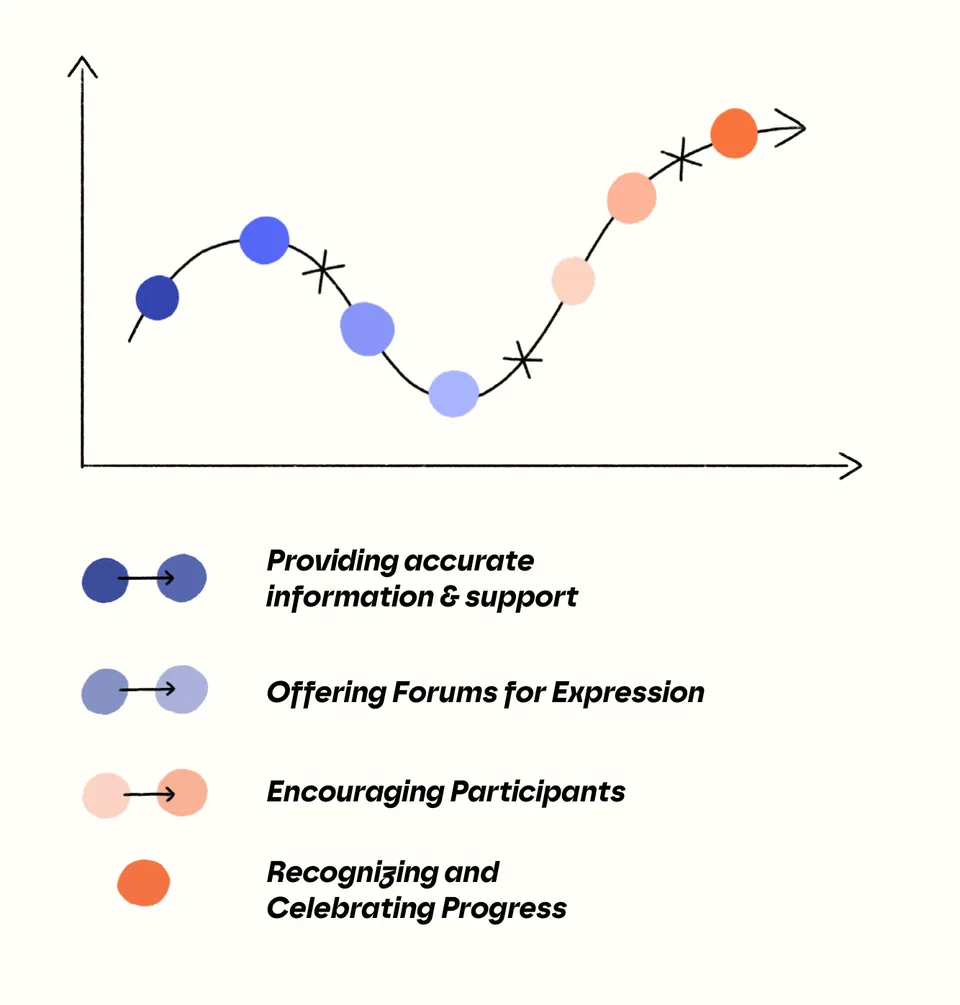
Leaders must adopt a flexible approach to change management, tailored to the diverse responses among their teams.
Key strategies include
Providing Adequate Information and Support
To mitigate shock and denial, ensure clear, transparent communication about the reasons for and benefits of the change.
Offering Forums for Expression
Create spaces where individuals can voice their concerns and frustrations, helping to address feelings of frustration and depression.
Encouraging Participation
Involve team members in the change process, allowing them to influence decisions and outcomes, which can ease the transition through the experiment and decision stages.
Recognizing and Celebrating Progress
Acknowledge individual and collective milestones, reinforcing the positive aspects of the change and supporting integration.
State Identification
Identifying the stage of the change curve an individual is experiencing is crucial for providing appropriate support and facilitating a smoother transition through organizational change. Here are insights into recognizing the signs associated with each stage and how to respond effectively:
Shock
- Signs: Individuals may exhibit unexpected behavior changes; for example, an employee who was previously vocal and engaging might become withdrawn, or their usual sense of humor might disappear.
- Response: Offer reassurance and provide clear, concise information about the change. It’s essential to give people time to process the initial shock, but keeping communication channels open for when they’re ready to discuss their feelings can be helpful.
Denial
- Signs: Employees in denial may ignore the implications of change, believing it doesn’t apply to them or hoping it will pass without affecting their routine. They might continue business as usual or offer reasons to sidestep new initiatives.
- Response: Encourage engagement by explaining how the change impacts everyone, including the benefits it brings. Use evidence and examples to gently challenge denial, reinforcing the reality of the situation.
Frustration
- Signs: This stage is marked by visible signs of anger, resentment, or fear. Individuals may blame others for the situation, breaking rules, or getting into conflicts as their emotions boil over.
- Response: Acknowledge their feelings and provide a safe space for venting. Offer support and guidance on constructive ways to deal with their frustrations, emphasizing the team’s collective goals.

Depression
- Signs: Individuals may become isolated, showing a lack of interest or motivation in their work. Challenges may seem overwhelming to them, leading to anxiety and self-doubt.
- Response: Provide emotional support and consider offering access to professional counseling services. Highlight their value to the team and the organization, and encourage small, manageable tasks to help rebuild confidence.

Experiment
- Signs: A person in the experiment stage is exploring new ways of working, which might lead to noticeable mistakes or hesitations as they adjust. This experimentation is a sign of their effort to adapt.
- Response: Encourage this exploration, offering feedback and guidance to help refine their approach. Celebrate their willingness to try new methods, fostering a culture of learning and growth.
Decision
- Signs: Positive changes in attitude become evident as individuals start to see the benefits of the change. They’re more open to opportunities and actively contribute to discussions and planning for the future.
- Response: Support their decision-making by providing resources and opportunities for further involvement. Recognize their progress and use it as an example to motivate others.
Integration
- Signs: Once fully integrated, individuals fully accept and embrace the new ways of working. They’re focused on moving forward and are proactive in solving problems and implementing improvements.
- Response: Continue to provide opportunities for growth and development. Encourage them to share their experiences and insights with others who may still be navigating earlier stages of the curve.
By understanding these signs and knowing how to respond, leaders can more effectively support their teams through the complexities of change, ensuring a more resilient and adaptive organization.
Conclusion
Understanding the Emotional Curve of Change, with its complexities and individual variations, is vital for navigating organizational transformations successfully. By acknowledging and addressing the emotional journey of their teams, leaders can facilitate a smoother transition, fostering a resilient, adaptable organizational culture poised for future challenges.